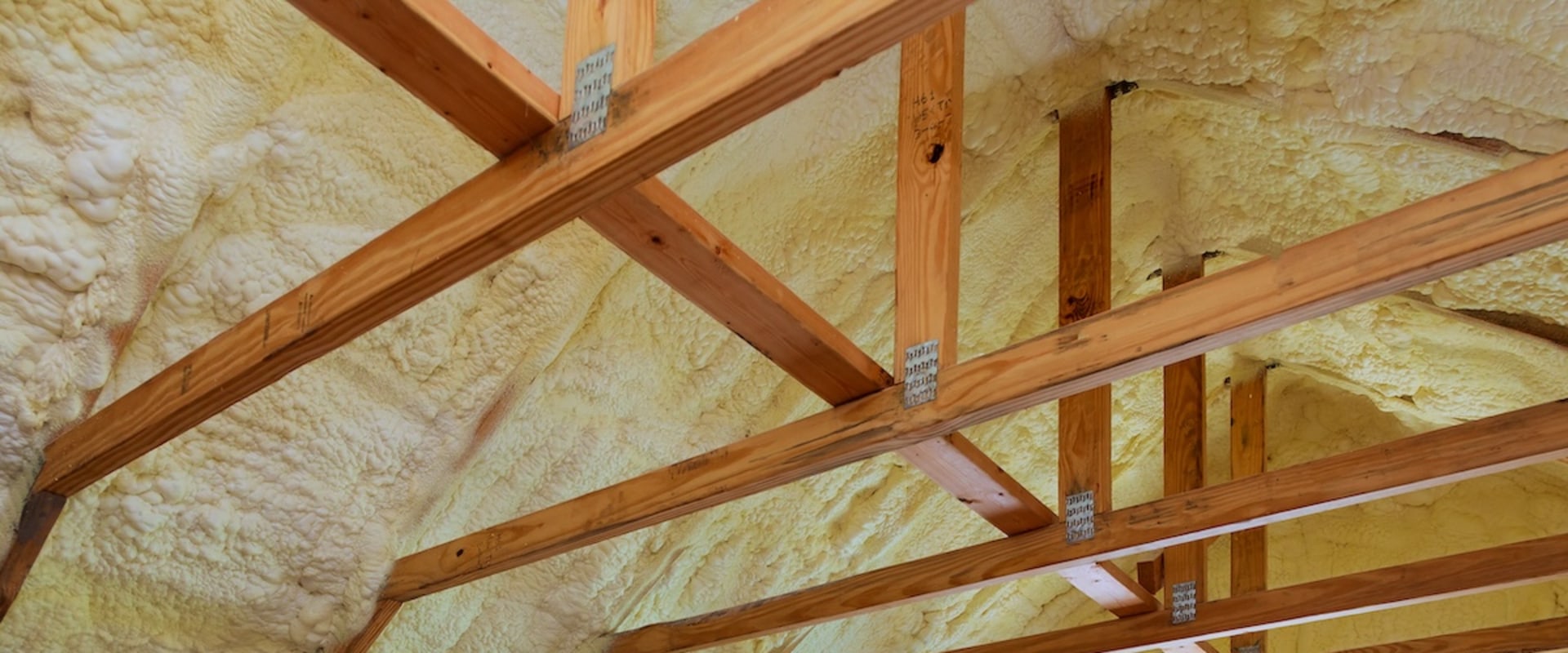
Homeowners often overlook attic insulation as a critical factor in roofperformance. Inadequate insulation creates thermal stress cycles thataccelerate material degradation and reduce structural integrity.Research indicates that properly insulated attics can extend rooflifespans by 20-25% compared to poorly insulated counterparts. Thiscorrelation represents significant potential savings, as premature roofreplacement costs typically range from $8,000 to $20,000 depending onhome size and materials. The technical relationship between insulationand longevity warrants further examination.
How Temperature Fluctuations Damage Your Roofing Materials
While most homeowners focus on their roof's visible components,temperature fluctuations represent one of the most considerable yetoverlooked threats to roofing system integrity. These fluctuationsinduce thermal shock, causing materials to repeatedly expand andcontract, ultimately leading to structural fatigue.
Different roofing substrates exhibit varying vulnerability profiles:asphalt shingles expand under heat, metal roofing produces dimensionalchanges that can compromise fastening systems, and tiles may developmicrofractures from thermal stress. The cyclical nature of thesetemperature variations accelerates degradation, particularly in climates with extreme diurnal or seasonal temperature differentials.
This process manifests as material brittleness in cold conditions and warping during heat exposure. The cumulative effect reduces materialflexibility, creates potential moisture ingress points, and considerably diminishes the expected service life of roofing systems.
The Hidden Costs of Energy Loss Through Your Attic
Beyond the structural impacts of temperature fluctuations on roofingmaterials lies another significant consequence of poor attic insulation: substantial energy loss that translates directly to financial burden.
Studies indicate poorly insulated attics contribute up to 45% of ahome's total energy loss, exceeding even window-related losses in manycases. This inefficiency forces HVAC systems to operate under excessivestrain, accelerating mechanical wear and shortening system lifespan. The economic implications are substantial—inadequate insulation wastesapproximately 20% of energy used for temperature maintenance.
Conversely, upgrading attic insulation offers measurable returns.Proper insulation combined with air sealing reduces energy costs by anaverage of 11%, with potential savings reaching 40% on heating andcooling expenses. These efficiency improvements simultaneously extendHVAC system longevity while reducing environmental impact—a technicalsolution with multifaceted benefits.
Moisture and Mold: Silent Threats to Roof Integrity
Attics represent a vital vulnerability where moisture accumulationcreates ideal conditions for mold proliferation, threatening both roofintegrity and indoor air quality. Multiple moisture sources exacerbatethis risk: air leakage from living spaces, roof leaks, condensationformation, inadequate ventilation of household activities, and regionalclimate factors.
The consequences extend beyond health concerns—approximately 47% ofU.S. residential buildings exhibit visible mold or associated odors.This fungal growth systematically deteriorates wooden structuralelements, compromising roof integrity and necessitating costly repairs.Insulation compounds this problem when improperly managed; whileessential for energy efficiency, it can trap moisture without adequateventilation.
Effective mitigation requires regular inspection protocols, strategic ventilation improvements, prompt leak remediation, and climate-specific moisture management solutions—all essential for preserving structuralintegrity and extending roof lifespan.
Winter Woes: Ice Dam Formation and Structural Damage
The harsh winter months introduce a particularly destructivephenomenon that affects poorly insulated attics: ice dams. When heatescapes into the attic space, it warms the roof surface, meltingaccumulated snow. This meltwater flows downward until reaching thecolder eaves, where it refreezes, forming an ice barrier.
As this cycle continues, water accumulates behind the dam, eventually penetrating beneath shingles and into structural components. Theconsequences are severe: moisture intrusion damages interior finishes,saturates insulation (further reducing its effectiveness), andcompromises structural integrity. Excessive ice weight can deformgutters and cause roof sagging.
This destructive process stems primarily from inadequate insulationand poor ventilation. Without sufficient thermal barriers, temperaturedifferentials across the roof surface create ideal conditions for icedam formation, greatly reducing roof lifespan and necessitating costlyrepairs.
Long-Term Economic Benefits of Proper Attic Insulation
Investing in proper attic insulation represents one of the mostfinancially prudent home improvement decisions available to propertyowners. Homeowners can recoup up to 15% reduction in heating and cooling costs, with these savings accumulating substantially over time. Thetypical payback period averages 10 years, after which the installationrepresents pure economic benefit.
- Reduced HVAC system strain translates to lower maintenance costs and extended equipment lifespan
- Increased property value provides immediate financial returns upon property valuation
- Governmental incentives and subsidies further improve the economic calculus of insulation investments
Beyond direct energy savings, proper insulation contributes toeconomic stimulus through job creation across the supply chain. Theinsulation industry's growth drives technological innovation whilesupporting GDP through increased construction activity, creating apositive feedback loop of economic and environmental benefits.
Inadequate attic insulation accelerates roof deterioration throughmultiple thermal-mechanical processes. Temperature differentials inducematerial stress while facilitating moisture accumulation, creating ideal conditions for microbiological contamination. The resultant structuraldegradation compounds progressively, reducing system longevity by20-40%. Installation of proper insulation represents a cost-effectiveintervention that preserves roof integrity, prevents moisture-relatedpathologies, and yields significant returns through extended serviceintervals and reduced energy expenditure.